Secured vs unsecured business loans: which one fits a tax bill?
By PayMyTax · · 6 min read
The short answer
A secured business loan is backed by collateral, such as your home, commercial property or equipment, which the lender can take if you cannot repay. That backing usually means lower rates, larger amounts and longer terms. An unsecured business loan needs no collateral, so approval looks at your business's trading and bank statements instead, with smaller amounts and shorter terms. For a BAS or tax bill, unsecured short-term finance is usually the practical fit because the amount is modest and you do not want to put assets at risk.
What is a secured business loan?
A secured loan is backed by an asset the lender can claim if the loan is not repaid. Common security includes residential or commercial property, vehicles and equipment, or a general charge over the business's assets. Because the lender has a way to recover its money, secured loans typically come with lower interest rates, higher borrowing limits and longer repayment terms.
What is an unsecured business loan?
An unsecured loan is not tied to any asset. The lender assesses your business's trading history, cashflow and bank statements rather than property it could seize. Approval is usually faster and involves less paperwork, but because the lender takes on more risk, rates are typically higher, amounts are smaller and terms are shorter. PayMyTax works with unsecured loans, which means you never put your home or business assets up as security for a tax payment.
The differences at a glance
- Security: secured loans need collateral; unsecured loans do not.
- Risk to you: with a secured loan, defaulting can cost you the asset; with an unsecured loan, the lender's recourse is limited, though missed payments still damage your credit record.
- Interest rates: secured loans are usually cheaper; unsecured loans cost more for the lender's extra risk.
- Loan size and term: secured loans suit large, long-term investments; unsecured loans suit smaller, short-term needs.
- Speed: unsecured loans are generally approved in days based on bank statements; secured lending can take weeks with valuations and legal checks.
What is the loan for?
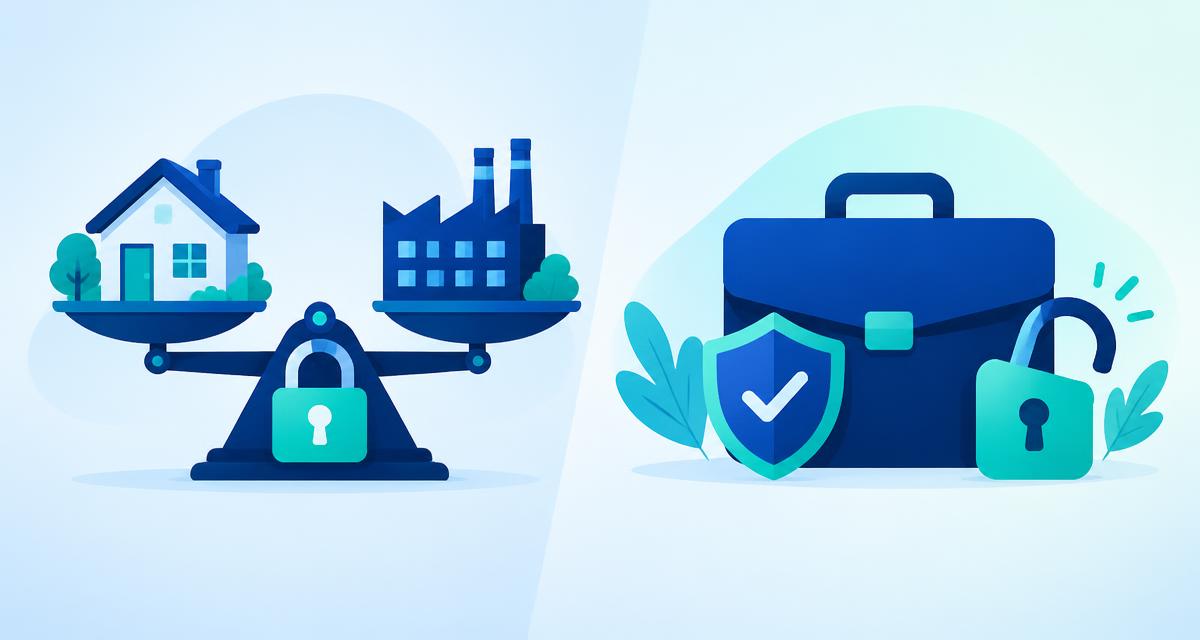
The right structure usually follows the purpose. A commercial property purchase or a major equipment upgrade suits secured finance, because the asset itself can back the loan and the term is long. A tax bill is different: it is a short-term shortfall, often for tens of thousands rather than hundreds of thousands, and the last thing a cashflow-tight business wants is to pledge its premises over a BAS payment.
Matching the loan to the need: big, long-lived assets suit secured lending. Short-term gaps such as a tax bill suit unsecured finance.
Cost is not the whole story
Unsecured rates are higher, so compare the total cost honestly. But two other factors often matter more for a tax payment. First, deductibility: the interest on a business loan used to pay a business tax bill is generally tax-deductible, while the ATO's general interest charge on an unpaid tax debt is not. Second, exposure: an unsecured loan risks your credit record if things go wrong, while a secured loan risks the asset itself. Our article on tax loan interest deductibility explains the tax side in detail.
How PayMyTax fits
PayMyTax is an intermediary that connects businesses with loan providers, and the loans are unsecured. You upload your BAS or IAS statement on the Customer Portal, choose how much to pay now via BPAY directly to the ATO and how much to defer (from $5,000), and the loan provider pays the ATO directly at settlement. You then repay in weekly, fortnightly or monthly instalments. You can estimate repayments with the payment calculator, which uses a 15.95% indicative interest rate, and the exact amount is set once your loan application is processed.
If you are weighing the loan against leaving the debt with the ATO, our guide to ATO payment plans compares the two directly. And if you want to know what approval involves, the FAQ covers what you need to apply.
Common questions
- What can be used as security for a business loan?
- Common security includes residential or commercial property, vehicles, equipment, or a general charge over business assets. The lender registers its interest and can take the asset if the loan is not repaid.
- Do unsecured business loans cost more?
- Generally yes. Because the lender has no asset to fall back on, unsecured loans carry higher rates than comparable secured loans, along with smaller amounts and shorter terms.
- Can I get a business loan without putting up my house?
- Yes. Unsecured business loans are assessed on your business's trading and bank statements rather than property, which is how PayMyTax works with tax payments.
- Is the interest on an unsecured loan used to pay tax deductible?
- Generally yes, if the loan is used for business purposes such as paying BAS, IAS or company tax. Confirm your situation with your accountant or tax adviser.
Pay your tax now, repay over time
Upload your BAS or IAS statement and choose how much to pay now and how much to defer.
General information only. This article does not take your personal circumstances into account and is not tax, financial or legal advice. Speak with your accountant or tax adviser before acting. PayMyTax is operated by Tax Hitech Pty Ltd ABN 38 642 032 666 and is not a lender. See also our ATO payment plans guide.