What happens if you can't pay your ATO tax bill on time?
By PayMyTax · · 6 min read
The short answer
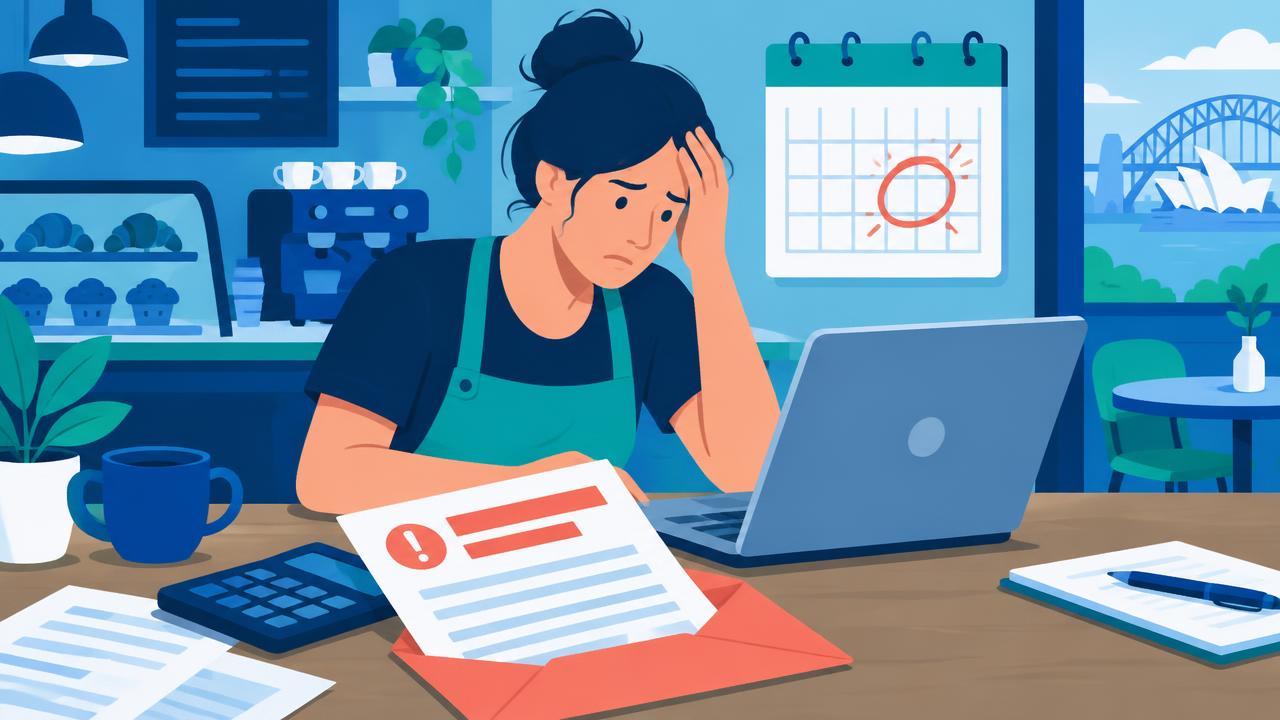
If you miss an ATO due date, the debt does not go away. The general interest charge (GIC) starts accruing daily on the unpaid balance, and from 1 July 2025 that interest is no longer tax-deductible. If you do nothing, the ATO can add penalties, offset refunds, report larger overdue business debts to credit agencies and eventually take recovery action. Your main options are an ATO payment plan, paying in full with funds you have, or financing the bill so the ATO is paid and you repay a lender on fixed terms.
What the ATO does when you miss a payment due date
Nothing dramatic happens on day one, but the clock starts. The general interest charge accrues on the unpaid balance and compounds daily, so the debt grows a little every day. The ATO may also apply penalties in some cases, and it can offset any future refunds or credits against what you owe. If the debt stays unpaid, larger business tax debts can be reported to credit reporting agencies, and the ATO has stronger recovery powers it can use over time.
The worst option is ignoring the bill. The ATO is far more flexible with businesses that engage early than with those that go quiet.
ATO payment options when you can't pay in full
You have three broad paths. Pay what you can now and deal with the rest. Set up an ATO payment plan to pay the debt off in instalments. Or clear the ATO debt completely using business finance, then repay the lender over time. Which one fits depends on the size of the bill, how quickly you can realistically clear it, and what the interest costs you after tax.
How ATO payment plans work
An ATO payment plan lets you pay the debt in instalments over an agreed period. Smaller debts can often be set up online, while larger ones usually need more information about your business and its capacity to pay. Keep in mind that GIC keeps accruing on the unpaid balance for the life of the plan, your lodgments generally need to be up to date, and missing an instalment can see the plan cancelled with the full debt falling due again. Our article on ATO payment plans compares this path with financing in detail.
Interest and penalties on a late tax payment
- GIC accrues daily on the unpaid balance and compounds, so delays cost more the longer they run.
- From 1 July 2025, GIC is no longer tax-deductible, which raises the real after-tax cost of leaving a debt with the ATO.
- Penalties can apply in some situations, for example for failing to lodge or pay on time.
- Refunds and credits can be offset against the debt.
- Overdue business debts above certain thresholds can be reported to credit agencies, affecting future borrowing.
When business finance may make sense
Financing tends to make sense when the bill is too large to clear quickly, when you want fixed repayments you can plan around, or when you want the ATO debt gone so it stops compounding and stays off your credit record. With PayMyTax, you upload your BAS or IAS statement on the Customer Portal, pay part now via BPAY directly to the ATO and defer the rest from $5,000. The loan provider pays the ATO directly at settlement, and you repay in weekly, fortnightly or monthly instalments. The loans are unsecured, and the interest is generally tax-deductible because the borrowing is for a business purpose.
To see what the repayments look like, try the payment calculator on our home page. It uses a 15.95% indicative interest rate, and the exact amount is set once your loan application is processed. If you are weighing the loan structure itself, our secured vs unsecured business loans article explains why unsecured finance usually fits a tax bill.
Common questions
- What happens if I don't pay my ATO tax bill by the due date?
- The general interest charge starts accruing daily on the unpaid balance. If the debt stays unpaid, the ATO can add penalties, offset refunds, report larger overdue business debts to credit agencies and take recovery action.
- Can I set up an ATO payment plan if I can't pay in full?
- Usually yes. Smaller debts can often be set up online, while larger debts need more information about your business. GIC keeps accruing on the unpaid balance for the life of the plan.
- Is the interest on a late ATO payment tax-deductible?
- No. From 1 July 2025, the ATO's general interest charge is no longer tax-deductible. Interest on a business loan used to pay the tax bill is generally deductible.
- Will an unpaid tax bill affect my business credit score?
- It can. The ATO may report overdue business tax debts above certain thresholds to credit reporting agencies, which can affect your ability to borrow later.
- Should I pay the ATO with a business loan?
- It can make sense when the bill is large, you want fixed repayments, or you want the ATO debt cleared so it stops compounding. Compare the total cost with an ATO payment plan and confirm with your accountant or tax adviser.
Pay your tax now, repay over time
Upload your BAS or IAS statement and choose how much to pay now and how much to defer.
General information only. This article does not take your personal circumstances into account and is not tax, financial or legal advice. Speak with your accountant or tax adviser before acting. PayMyTax is operated by Tax Hitech Pty Ltd ABN 38 642 032 666 and is not a lender. See also our ATO payment plans guide.